

US military and political escalation against Venezuela: chronology, violations and the decisive early morning.
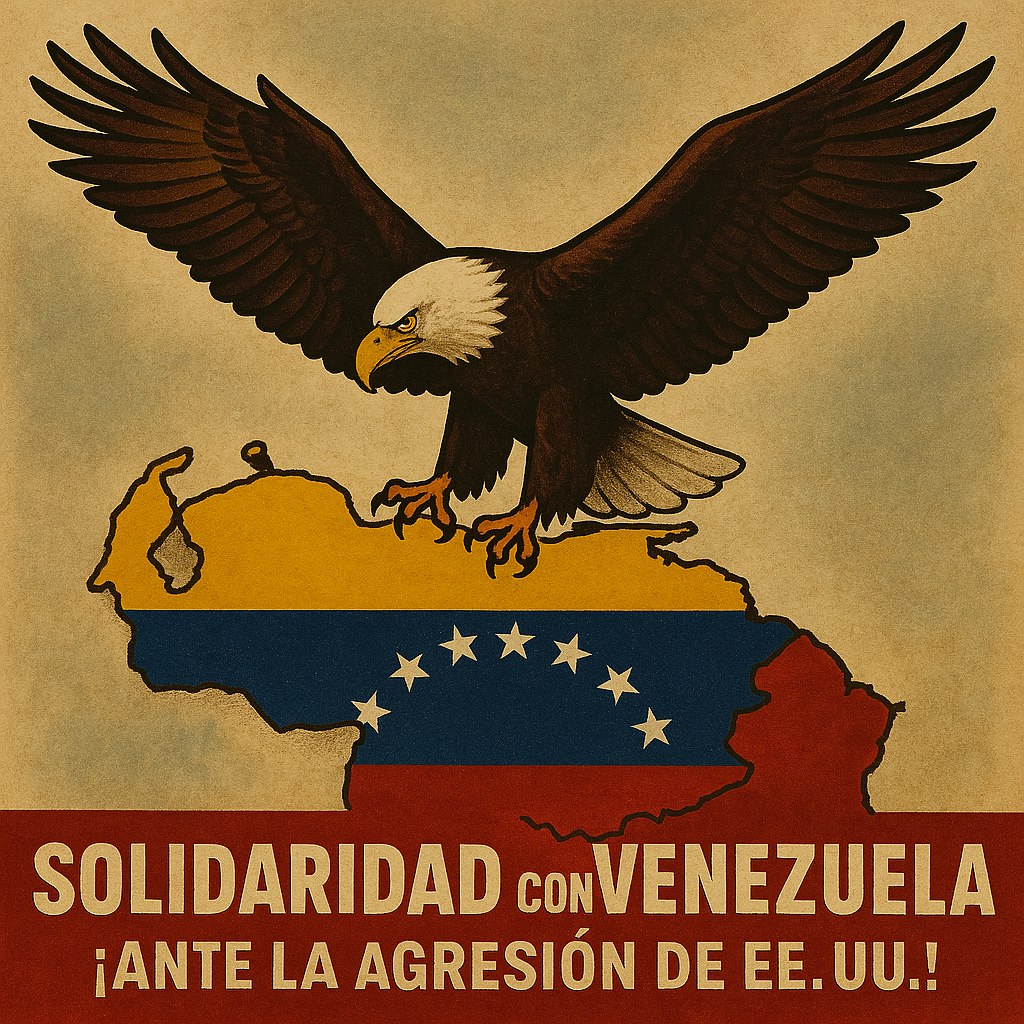

The international award bestowed upon María Corina Machado marked a symbolic turning point in the regional political narrative. Since then, the tension between Washington and Caracas has translated into a succession of coercive measures, maritime operations, and military actions that, according to official reports and observers, have crossed the lines of international law and exacerbated the humanitarian and political crisis in Venezuela.
This report reconstructs the escalation chronologically, analyzes the violated international agreements, and summarizes the most relevant operations up to the early morning of January 3rd, 2026.
Essential Chronology of the Escalation
– Late 2025 — Award and Political Climate: The awarding of an international prize to María Corina Machado reinforced the rhetoric of change and legitimized, for opposition sectors, the idea of external intervention as a path to transition.
– August 7th, 2025 — Reward for Nicolás Maduro: The increase in the reward for information leading to the arrest of Nicolás Maduro intensified political and judicial pressure.
– September 2025 — Operation “Lanza del Sur”: Maritime operations began targeting vessels linked to drug trafficking in Caribbean and Pacific waters, amid controversy surrounding their scope and legality.
– December 10th–16th, 2025 — Tanker hijacking: Venezuela filed formal complaints with international organizations regarding what it described as acts of piracy and the hijacking of oil tankers.
– December 20th–22nd, 2025 — Maritime seizures and pursuits: Reports of arrests and seizures of cargo and vessels, with consequences for crews and trade.
– December 30th, 2025 — Evasive maneuvers: Reports of camouflage tactics and changes of flag used by vessels to evade controls.
– Early morning of January 3rd, 2026 — Attack and capture: Large-scale military operation with bombings at strategic points and the announced capture of Venezuelan government leaders; the action sparked diplomatic reactions and regional protests.
International Agreements and Norms Violated
– Charter of the United Nations: Military intervention in sovereign territory without a Security Council mandate raises a potential violation of the principle of non-use of force between States.
– Conventions on the Safety of Navigation and the High Seas: Interceptions, partial blockades, and detentions of vessels could contravene norms protecting freedom of navigation and the safety of crews in international waters.
– Right to Self-Defense and Customary International Law: The absence of a prior armed attack and the scale of the operations raise doubts about the legitimate use of force.
– Human Rights Standards: Harm to civilians, extrajudicial detentions, and the humanitarian consequences of the military and maritime operations raise responsibilities under international human rights standards.
Key Operations and Actions in Chronological Order
– Increased reward for Maduro (August 7th, 2025).
– Operation “Southern Spear” against vessels linked to drug trafficking (September 2025).
– Formal complaint regarding the hijacking of an oil tanker before international organizations (December 10th–16th, 2025).
– Seizures and pursuit of oil tankers and cargoes (December 20th–22nd, 2025).
– Camouflage and flag-changing strategies employed by ships to evade controls (December 30th, 2025).
– Bombings and a capture operation in Venezuelan territory with the transfer of detainees (early morning of January 3rd, 2026).
Early morning today: Summary of reported events
– Military actions and damage: Explosions and attacks on military installations and urban areas; power outages and population displacements.
– Arrests and transfers: Official announcement of the capture and transfer of Venezuelan government officials out of the country.
– Humanitarian impact: Preliminary reports on casualties, damage to infrastructure, and disruption of basic services.
– International Reactions: Condemnations and calls for de-escalation from governments and regional organizations; diplomatic tensions with Venezuela’s allies.
Legal Notes and Conclusions
– Legal Dimension: The actions described represent a clash between the United States’ national security policy and international obligations to respect sovereignty, protect navigation, and uphold human rights.
– Regional Consequences: Beyond the immediate impact on Venezuela, the escalation reconfigures alliances, puts pressure on economies, and increases instability in the region.
– Critical Analysis: For the Cuban public, it is crucial to evaluate both the motivations declared by Washington and the real consequences for the Venezuelan population and regional sovereignty.
Recent history shows that external interventions often leave lasting scars on daily life and the autonomy of nations.
The eagle’s talons have fallen upon Venezuela, and the world cannot remain passive.
Written by Yannier Díaz.