
Céspedes: Beyond La Demajagua.
The final act, 152 years ago, was the checkmate that made him immortal. On that February 27th, 1874, without his escort and with his vision blurred, the old lion refused to accept the humiliation of the shackles. Faced with the harassment of the Spanish squad, he preferred the abyss of a ravine to capitulation.
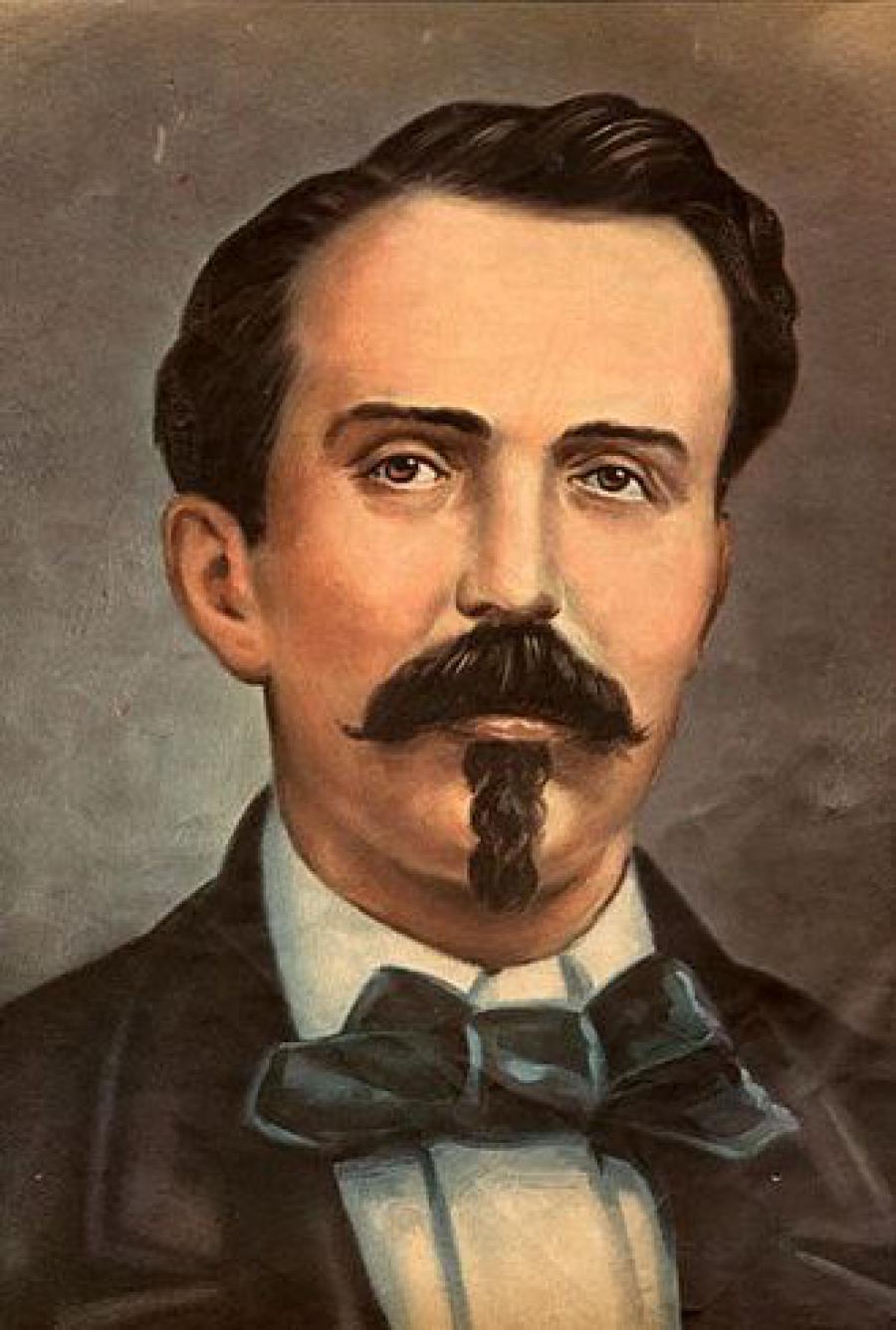
Few would suspect that the cry for freedom at La Demajagua was orchestrated by a man who wore European silk and translated the Aeneid in the solitude of his office. Carlos Manuel de Céspedes was not a tavern rebel, but a legal aesthete who, on October 10, 1868, traded his privileged upbringing for the dust of the road.
By freeing his slaves, the lawyer from Bayamo understood, with the lucidity of one who had traveled the Old World, that Cuba did not need a more cultured master, but a freer people, and thus he established his sugar mill as the pioneering pyre of national sacrifice.
His life in the Cuban countryside was a strange mix of military rigor and intellectual refinement. It’s almost cinematic to imagine the Father of the Nation carrying a chessboard through the undergrowth, convinced that his strategy against the white pieces was the perfect rehearsal for outwitting the Spanish columns.
Céspedes was a polymath: a swordsman with a precise thrust, an impetuous horseman, and a music lover who gifted Cuba its first romantic gem, «La Bayamesa.» For him, culture was more than an adornment; it was the shield that allowed him to maintain the composure of a statesman even when the Republic in Arms, in a fit of bureaucratic ingratitude, stripped him of his office.
The strength of his character was sealed with a phrase that is now etched in stone, but which was born from the rawest pain: «Oscar is not my only son; all Cubans who die for the freedoms of their homeland are my sons.» By refusing to exchange his son’s life for surrender, Céspedes transcended the human condition to enter the realm of the mystical.
That man, who in times of peace enjoyed opera and dancing, ended his days in the remote San Lorenzo mountains, teaching the basics of reading and writing to children from the highlands while he waited, with almost saintly patience, for safe passage that his own comrades denied him. Solitude was not his defeat, but rather the foundation of his unwavering dignity.
The final act, 152 years ago, was the checkmate that made him immortal. On that February 27th, 1874, without his escort and with his vision failing, the old lion refused the humiliation of the shackles. Faced with the onslaught of the Spanish squad, he preferred the abyss of a ravine to surrender.
His body was treated with disdain by his captors, thrown among sacks of coal as if matter could extinguish the myth; But in the end, as in a master chess game, Céspedes sacrificed his queen, his life, to ensure the final victory of Cuban memory and raise his last breath towards posterity.
Written by Yadiel Barbón.