

According to the latest Consumer Price Index update, sustained inflation erodes nominal earnings, reducing the real impact of salary increases, even in sectors with the best figures such as Construction and Electricity.
The Construction sector, with an average monthly salary of 15,000 pesos, and the Electricity sector, with 13,000 pesos, led the way in salaries in Cuba last year, according to a publication by the National Office of Statistics and Information.
The source itself notes that these were the only sectors that exceeded 10,000 pesos in average income, and they also registered the largest increases compared to 2024.
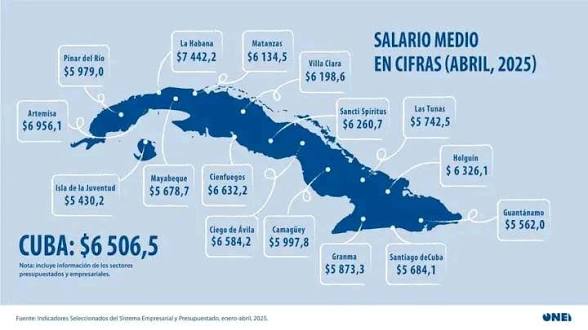
At the opposite end of the spectrum, the lowest-paying activities were “Other community, association, and personal service activities,” with an average salary of only 4,400 pesos, and “Commerce and repair of personal effects,” with 4,700 pesos. These two sectors were the only ones whose average income fell below 5,000 pesos per month, far from the national average of 6,900 pesos.
This wage gap reflects the heterogeneity of the Cuban labor market, where sectors linked to investment and basic services concentrate the highest salaries, while commerce and personal services remain at the lowest levels.
However, the purchasing power of these incomes is contingent upon price fluctuations. According to the latest Consumer Price Index update, sustained inflation erodes nominal gains, reducing the real impact of wage increases, even in sectors with the strongest performance, such as Construction and Electricity.
Written by José Miguel Solís.