
The Blockade on Cuba: Six Decades of Closed Doors and the Urgency to Produce
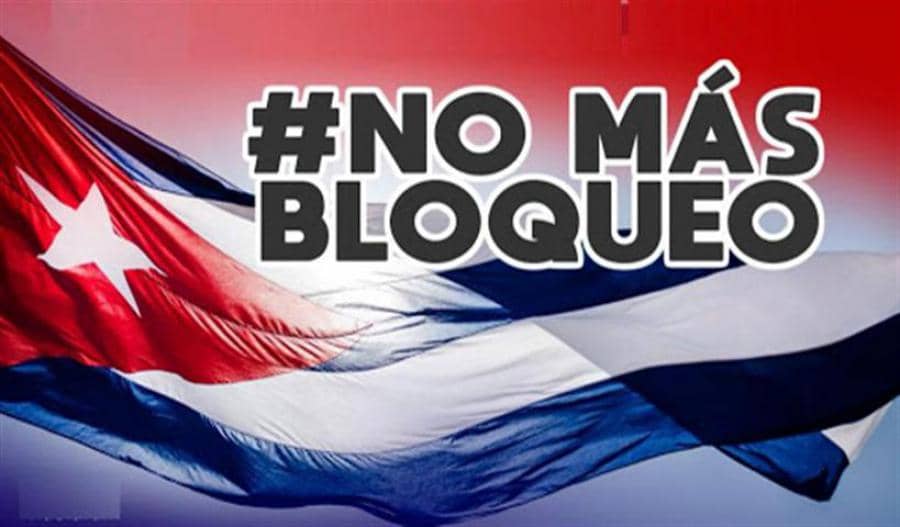
Cuba is under a commercial, economic, and social siege, and in every sphere where there could be any development. That is called a blockade.
A reality that already exceeds six decades and that each year closes more doors. Doors that, in most cases, those who trade with the Island are forced to close, compelled to break all commercial ties.
That is a truth larger than a temple. But alongside it, it is also true that the country needs to take the necessary measures to mitigate the external difficulties that cause it.
A blockaded country cannot develop its economy. It has no way to advance, simply because it does not have the resources to grow. And to this is added an internal reality: in Cuba, points of sale proliferate, but the areas of production do not exist in equal proportion.
A simple example: the delivery of idle lands grows, and a corresponding increase in products for sale to the population is not observed. That said, they are seen on carts and in private or underground markets, with abusive prices.
A country cannot advance if there is no production, if material goods are not created for its inhabitants. One cannot grow with points of sale alone; production is required.
That is an equation that admits no shortcuts: without production there is no possible development, not even with the best intentions to resist.
The blockade is an external difficulty. But the lack of production is an internal challenge that also demands urgent responses. Both fronts condition the present and the future of the Island.