

The call is to remain vigilant.
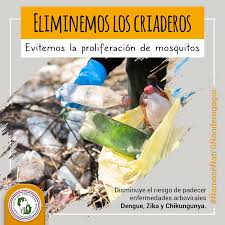
Although there has been a decrease in mosquito breeding sites, the infestation rate is still high.
Dr. Amancio Martínez Morejón, a specialist in Hygiene and Epidemiology, provided an update on the health situation in the province. The main message is one of reassurance, but with a firm call to remain vigilant, especially regarding the control of the Aedes aegypti mosquito.
Martínez confirmed that, with respect to Acute Respiratory Infections (ARIs), the situation is normal and stable.
«The ARI situation is normal in the province. That is to say, we are safe; there is no municipality with an epidemic, we have no seriously ill adults or children hospitalized, and no one is in intensive care,» the specialist stated.
However, he reiterated the protective measures that remain in effect: «However, if you go to hospitals, you must wear a face mask.» He emphasized that its use is mandatory in crowded places, on public transportation, in health centers, and for healthcare personnel.
The report also addressed the ongoing flu vaccination program and the situation regarding diarrheal diseases, where isolated cases of Hepatitis A linked to hygiene and sanitation problems have been reported.
However, the specialist’s most emphatic call to action was for vector control. Although there has been a decrease in mosquito breeding sites, the infestation rate remains high.
Dr. Amancio Martínez reported that outbreaks are being contained in municipalities such as Limonar, and efforts are underway in others like Unión de Reyes and Pedro Betancourt.
Given the suspicion of chikungunya in several areas and the arrival of a cold front with rain, the epidemiologist made an urgent appeal for community action: «The most important thing right now is to conduct self-monitoring in our homes and workplaces to see if we can reduce the infestation rate and prevent both chikungunya and dengue.»
In summary, the overall outlook for acute respiratory infections (ARIs) is encouraging, but the battle against the mosquito and the diseases it transmits requires the constant effort of the residents of Matanzas. Personal and collective hygiene, along with vector control in homes, are the most effective tools for protecting family health.
Written by Melissa Guerra.