

India, the wild card on the board of the century.
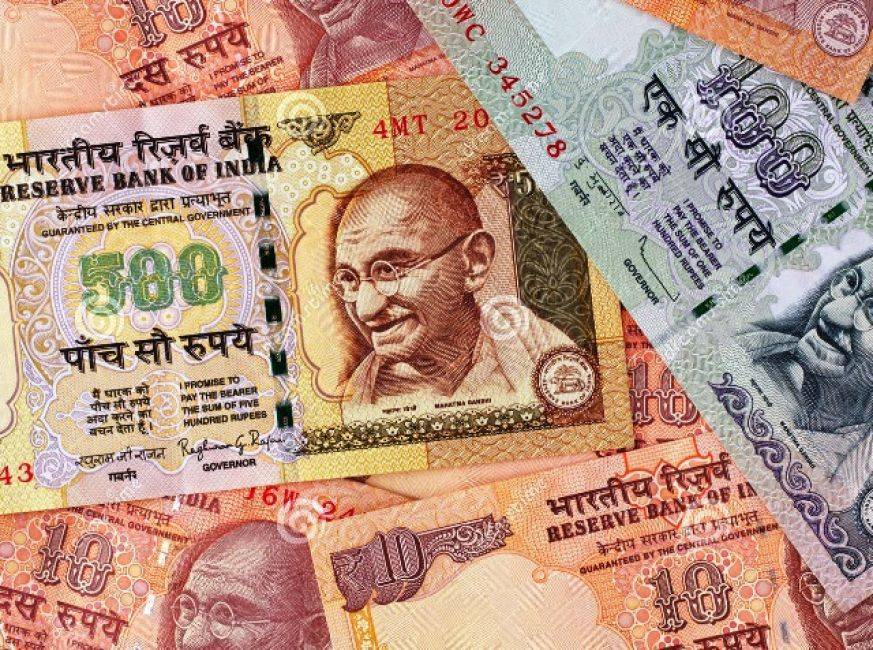
The Indian rupee slips away, almost imperceptible to the ear of the average citizen, but deafening to the markets: every cent it loses against the dollar makes energy more expensive, puts pressure on the consumer basket, and threatens to ignite a currency crisis if the central bank does not precisely calibrate its response.
The Indian rupee slips away, almost imperceptible to the ear of the average citizen, but deafening to the markets: every cent it loses against the dollar makes energy more expensive, puts pressure on the consumer basket, and threatens to ignite a currency crisis if the central bank does not precisely calibrate its response.
Raising interest rates, burning through reserves, curbing imports: three high-cost moves in an economy seeking growth without suffocating. And right in the middle of this, politics enters the picture: Vladimir Putin’s visit and the reaffirmation of a historic alliance with Russia give New Delhi strategic muscle and energy at a negotiated price, but also tie it to a partner under sanctions and under the Western microscope.
At the same time, a US delegation arrives with tariffs and agreements on the table, a reminder that the market and technological security are still discussed in English.
India listens to both sides, weighs the pros and cons, and sits where it can best maximize benefits: buying oil from whoever sells it, signing chip agreements with whoever manufactures them, and preserving its defense autonomy. It’s a balancing act: gaining ground without being trapped, adding partners without losing sovereignty, and using every point of leverage to negotiate betterterms.
The risk is clear: global polarization, cross-pressures, financial volatility. The opportunity is equally clear: to turn the fragility of its currency into leverage for internal reforms and to capitalize on the rivalry between major powers through discounts, technology transfer, and preferential market access.
If it succeeds, India will not just be another player; it will be the wild card that, placed at the right moment, can change the course of the game. On the chessboard that is emerging, the key will not be choosing sides, but knowing the value, in each round, of one’s own silence, one’s own rupee.
Written by Yannier Delgado Díaz.