

Unfulfilled Prices: The Gap Between What Is Regulated and What Is Applied
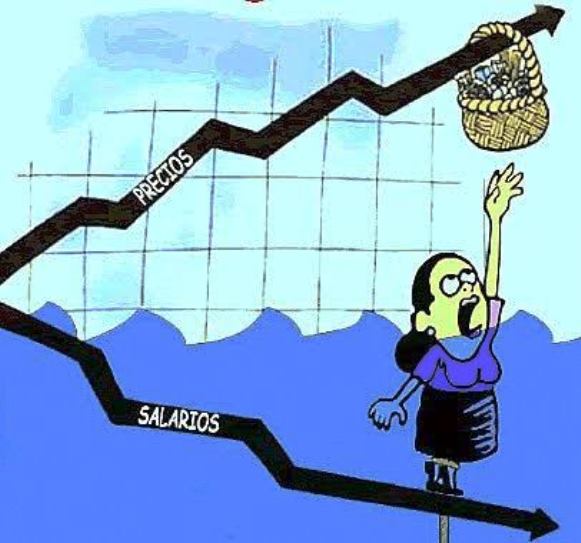
Cuba is one of the countries that promulgates the most legal bodies. The level of non-compliance with announced measures is also high. I have repeated this idea in previous works.
My criterion is that regulating what works badly and not complying with it does more harm than leaving it to free will. This happens with high prices, charges through electronic payment gateways, and other matters. In my judgment, not complying with what is regulated is a mockery, both for the one who regulates and for the one who must comply with the measure.
The Cuban government announced the promulgation of a set of legal norms aimed at containing and recovering prices in the country. The measure seeks to confront inflation and shortages that affect the Cuban economy.
The legal body includes provisions to:
· Cap prices of products and services, both in the state and private sectors.
· Recover prices through control, inspection, and sanctions mechanisms for those who incur speculation or hoarding.
· Strengthen the regulation of agricultural markets and non-state economic actors.
· Establish maximum caps on commercialization margins in certain supply chains.
The measure is framed in a context of high inflation, currency shortages, and difficulties in national production. Cuban authorities have indicated that the objective is to protect the population’s purchasing power and guarantee access to essential goods.
The idea, the intention, and the purpose are correct. The reality is another.
One example: cooking oil, which is among the capped products. First it disappeared from the market and began to be sold covertly. Then it was commercialized on the streets. Now it appears again in the offer lists of the same markets, at high prices once more.
In summary, mockery upon mockery.