

«Green Heritage: The Biological Imperative of the 21st Century».
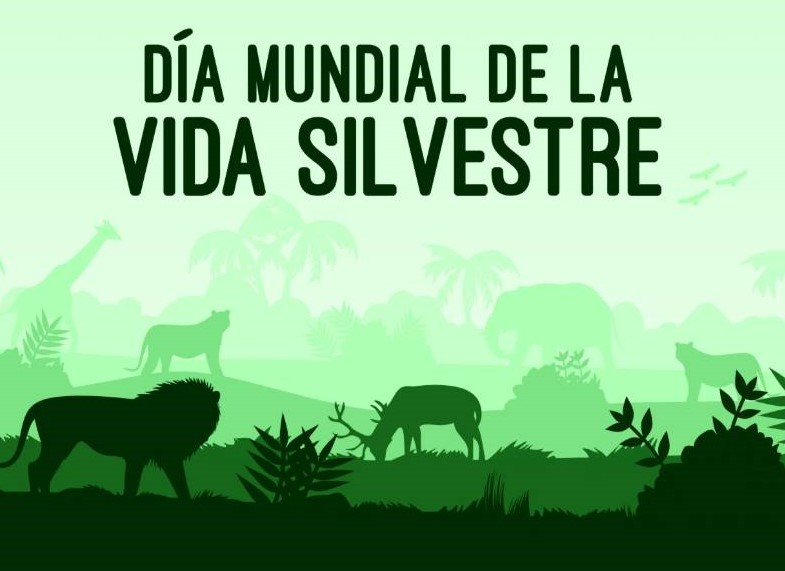
Every March 3rd, the international community celebrates World Wildlife Day, an event that commemorates the signing of the Convention on International Trade in Endangered Species of Wild Fauna and Flora (CITES) in 1973.
 Since its proclamation by the United Nations General Assembly in 2013, it has responded to the urgent need to establish a strong front against the illegal trafficking and depletion of natural resources.
This date represents a high-level environmental policy commitment and serves as a reminder of the fragility of ecosystem balance in the face of industrial expansion. Safeguarding wild species is now a guarantee of global security and an indispensable condition for the planet’s climate stability.
This year, 2026, focuses attention on the strategic value of medicinal and aromatic plants, based on the premise of preserving health and natural heritage. These botanical resources support primary healthcare for nearly 95% of the population in developing nations and enrich modern pharmacopoeia with essential compounds of natural origin.
The importance of this genetic legacy is undeniable, as it generates annual revenues exceeding $80 billion in the global market. The current situation demands strict oversight of the harvesting of these varieties, whose survival ensures the functionality of the forests and the advancement of contemporary medical science.
Cuba validates this celebration through the strength of a state policy that integrates natural medicine into the protocols of the National Health System. The archipelago’s history of protecting its endemic species is fully aligned with this year’s international call. The island’s research centers and protected areas safeguard a plant reserve of incalculable scientific value under sustainable use guidelines.
The nation promotes the cultivation of aromatic species with rigorous technical excellence, an action that reaffirms Cuban science’s commitment to the territory’s pharmacological autonomy and the defense of its native biodiversity. The defense of biodiversity undoubtedly represents the greatest political challenge of our time, a struggle that demands strict regulatory frameworks and unwavering social awareness.
Respect for the cycles of nature is an ethical imperative that defines the viability of our species in the face of current ecological crises and that will enhance our own prosperity in a world of environmental justice.
Written by Yadiel Barbón.