
Matanzas in Numbers: A Necessity.
It would be good to revisit this idea and compile the most relevant data for the province and its municipalities into a single document.
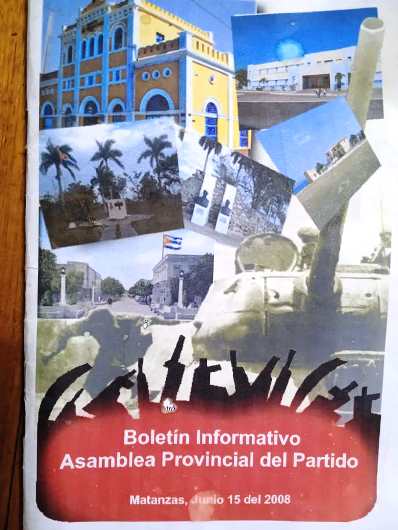
What if we could have the most important data for our province in one document? This weekend, while going through old paperwork, I came across a bulletin published for delegates to the Provincial Party Assembly, dated June 15, 2008.
The first thing that came to mind was how beneficial it would be to publish a similar document with current figures for the province. Given the paper shortage, the publication could be digital.
It would reflect the publishable data, not to compare the topics covered in the bulletin—we know we are in different times—but it would give us an idea of our current organizational situation.
In terms of production, there are notable differences, especially due to the intensification of the blockade, aggravated by the 243 measures imposed by previous US administrations and the energy embargo imposed by Trump.
There is a group of reviews that can be very useful, especially for students at all levels. The bulletin includes geographical, historical, and demographic data, among others.
It also features the most distinguished patriot of the province and each municipality, the land area, population density, founding date, and main elevations of each region.
Similarly, it lists rivers and other geographical features by territory; the degree of urbanization and aging; and infant and maternal mortality rates.
In terms of politics, it includes the number of People’s Councils, electoral districts, the number of women in People’s Power, female deputies, and provincial and municipal delegates.
There is also a section dedicated to the economy, with an emphasis on electricity, oil, tourism, citrus fruits, light industry, food processing, agriculture, sugar production, and services.
The statistical overview includes internal and external migration, rural and urban population, marriage rates, divorce rates, and the gross reproduction rate (daughters per woman).
In short, this bulletin is an excellent document that helps professionals, researchers of all kinds, and the residents themselves, eager to learn about their province.
It would be beneficial to revisit this idea and compile the most relevant data for the province and its municipalities into a single document.