

Timbalaye 2026 Once Again Put Rumba and Maroon Heritage at the Center of Matanzas
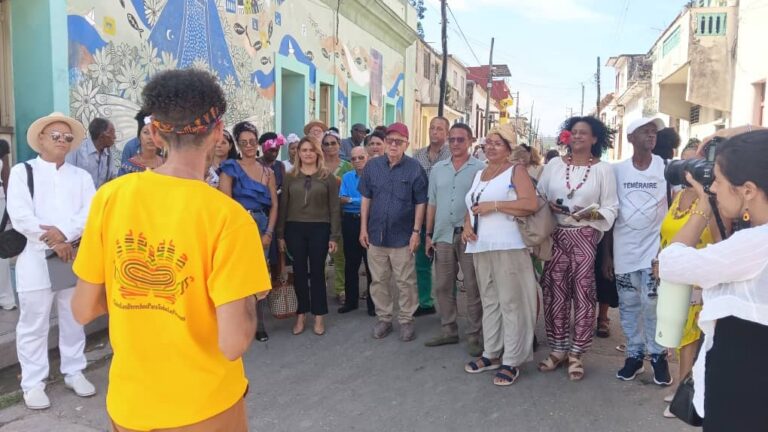
Matanzas once again became a setting for rumba, tradition, and memory this Wednesday with the arrival of the 18th edition of Timbalaye, The Rumba Route — a day that this year had as its thematic axis maroon heritage (cimarronaje) and its link to Cuban cultural identity.
The Callejón de las Tradiciones cultural center hosted from the morning hours the welcome to participants, the performance of the artistic unit Obba Bi Coso Laye, and the opinion panel «Prófugos del Látigo» (Fugitives of the Whip), dedicated to maroon heritage.
The program also included the presentation of Biografía de un cimarrón (Biography of a Maroon) by Miguel Barnet, in celebration of the 60th anniversary of the first edition of this testimonial novel, as well as the presentation of the projects Turbanteras and Por Amor a mi Raíz, accompanied by the Afrofeminist venture Qué Negra and the live work of artist Emilio O’Farrill.
For Solange Betancur Puñales, president of the association linked to the event, Timbalaye’s presence in Matanzas represents an opportunity to continue revitalizing a tradition that is already part of the city’s cultural agenda.
The event brought together bearer groups, amateur artists, sociocultural projects, and exponents of artistic creation linked to traditions of African origin.
Gabriel Suárez, methodologist of artistic and literary creation at the Provincial Center of Houses of Culture, highlighted precisely that convergence of expressions and generations around the celebration.
The theme of slavery was also addressed from the visual arts. Emilio O’Farrill, visual artist and art specialist who works with African culture, considered that this edition’s theme constitutes an opportunity to delve into figures such as Esteban Montejo and the meaning of maroon heritage as part of the construction and preservation of Cuban identity.
The day concluded in the afternoon at the Parque de la Aurora in the La Marina neighborhood, with the «Rumba del San Juan al Yumurí en Timbalaye 2026.» There, the folkloric groups Unión Matancera, Los Matanceros, Los Muñequitos de Matanzas, and the Academy La Rumba Soy Yo converged.
Thus, Matanzas lived another Timbalaye day, where rumba was not only music and dance: it was also memory, resistance, identity, and a way of keeping alive the cultural heritage that is part of the city’s history.