

ANAP in Matanzas Analyzes Functioning, and Economic and Social Transformations
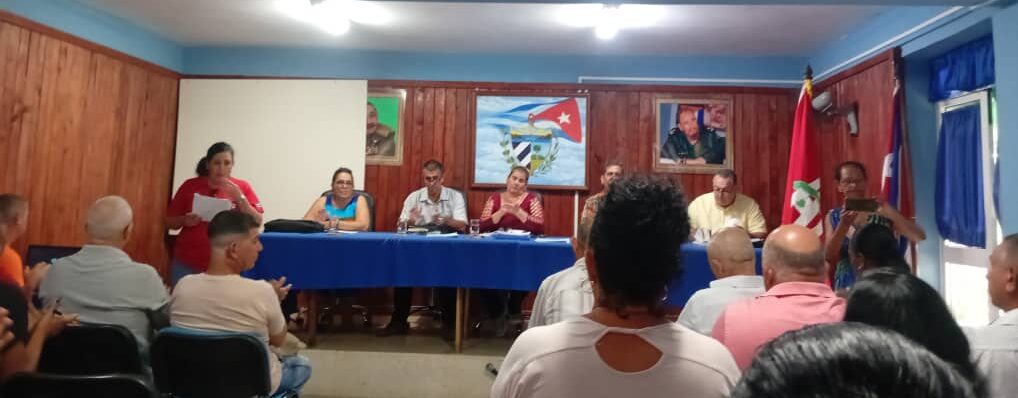
Compliance with agreements, the cadre policy, and actions linked to economic and social transformations were the focus of the analyses of the Provincial Committee of the National Association of Small Farmers (ANAP) in Matanzas.
The agreements adopted in previous plenary sessions were examined, as well as the presentation of movements of association members — aspects related to the continuity of work and the strengthening of the organization’s leadership structures.
In this space, the results of implementing the General Strategy for the application of the Cadre Policy were evaluated — a process aimed at guaranteeing the preparation of leaders, the renewal of responsibilities, and attention to the needs of cooperatives and their members.
Another point addressed was compliance with and the treatment given to the «Mi Aporte a la Patria» (My Contribution to the Homeland) movement, as part of the actions promoted by the peasant organization.
Special attention was given to the implementation of economic and social transformations, in a context where increasing national food production and advancing toward food sovereignty continue to be among the country’s main challenges.
Among the difficulties affecting the cooperative and peasant sector are limitations in the availability of fuel and agricultural inputs, as well as problems related to commercialization and non-payment to producers.
Faced with that scenario, strengthening cooperatives and seeking productive alternatives proved essential to sustain agricultural activity.
In Matanzas, monitoring these transformations involved evaluating the actions developed by ANAP, as well as the advances, difficulties, and needs present in its grassroots structures, without losing sight of the role of the peasantry in the territory’s food supply.