

Matanzas Remembers José Jacinto Milanés, an Essential Voice of Cuban Poetry
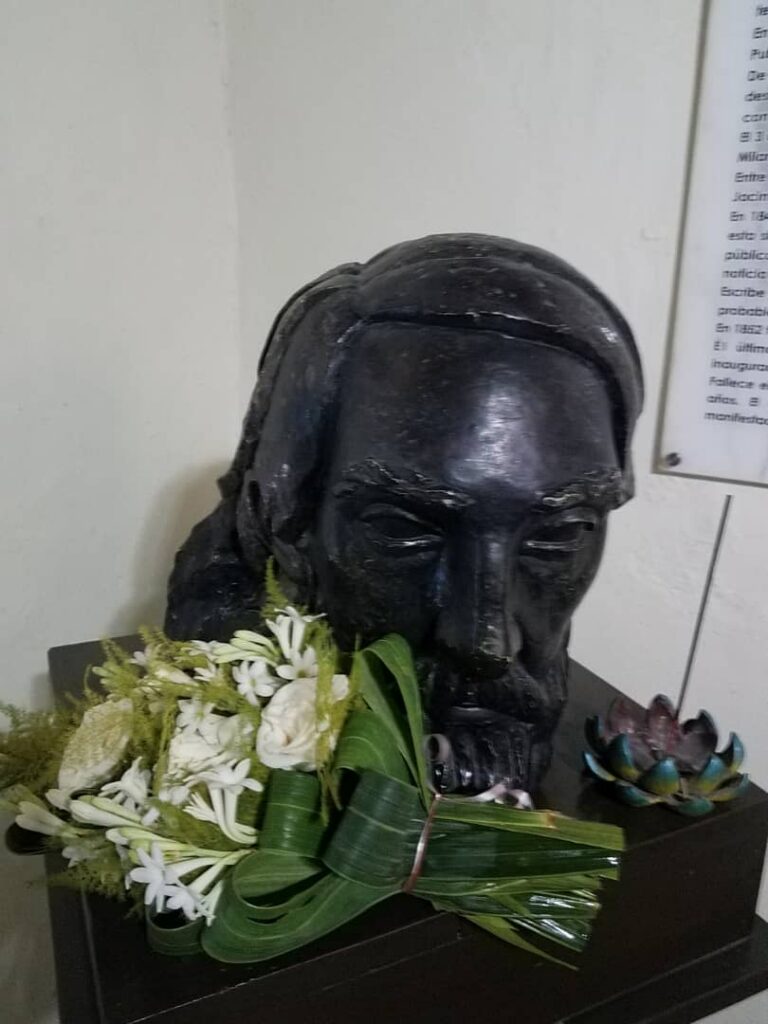
Matanzas turns its gaze this August 16 toward one of its illustrious sons. On the anniversary of José Jacinto Milanés’ birth, the Provincial Historical Archive pays tribute to the poet who turned his verses into an inseparable part of Matanzas’ memory and cultural identity.
Born on August 16, 1814, Milanés was the firstborn of Álvaro Milanés and Rita Fuentes. From a very young age, he found in poetry his main form of expression and, under the influence of Domingo del Monte, came into contact with important figures of the Cuban intelligentsia of his time.
His work addressed social issues of 19th-century Cuba and left early evidence of concern for slavery and the reality of the Island.
Among his creations, «El negro alzado,» «La madrugada,» «Un pensamiento,» and «La fuga de la Tórtola» stand out — the latter becoming one of the most recognized pieces of his production. In his verses appear love, freedom, nature, and also concerns that transcended the poet’s individual experience.
Milanés’ mark remains especially alive in the very house that today houses the Provincial Historical Archive of Matanzas.
There, part of his room is preserved, along with furniture, personal objects, and other elements linked to his life — spaces that allow a direct approach to the writer’s human dimension.
On the occasion of his birthday, the Archive also preserves and shares images of his bust, accompanied by flowers as a symbol of the permanent tribute of the people of Matanzas. More than a date on the calendar, August 16 represents an opportunity to return to the work of someone who occupies a fundamental place in Cuban literature.
More than two centuries after his birth, José Jacinto Milanés remains present in Matanzas: in its heritage institutions, in the memory of its inhabitants, and above all, in a work that keeps alive the conversation between poetry, freedom, and Cuba’s identity.