

Business of Need: In a Context Where the Market Economy Is a Means, Not an End
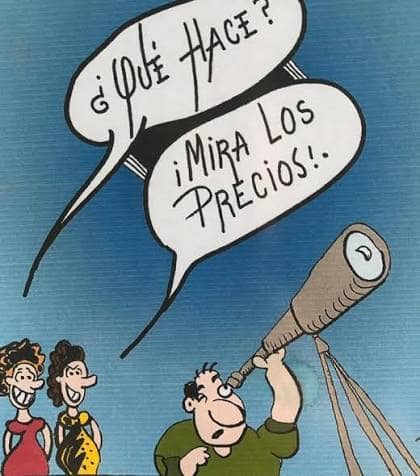
That the rise in basic necessity prices responds to a multifactorial puzzle is an inescapable truth: the blockade suffocates, foreign currency is scarce, structural inflation corrodes, and deregulation has uncorked pressure valves as well as dark appetites.
However, acknowledging that complexity cannot become a safe-conduct for usury.
Speculation and hoarding are not inevitable collateral effects of the crisis; they are deliberate and contemptible decisions. Whoever holds half a ton of chicken or a liter of oil to sell it at double the price the next day is not «entrepreneuring» or navigating adversities; they are deliberately betting against the retiree’s food basket and the neighborhood’s stability.
It is a stab at social ethics, a silent crime that turns others’ needs into currency.
In this storm, the speculator is not a victim; in the public eye, they risk being interpreted as a perverse enemy of the people.
It is urgent to separate the diagnosis of the crisis from the condemnation of greed; otherwise, no matter how much macro-variables are adjusted, the real economy will remain kidnapped by those who make shortages their best business.
Let us remember that the market economy is a means and not an end — at least, until it is included or denied in the Nation’s Magna Carta.